Data privacy litigation has transformed from a niche regulatory concern into one of the fastest-growing practice areas in modern American law. As federal inaction leaves a void in comprehensive privacy protection, state legislatures across the United States are stepping up with stringent, complex data privacy frameworks. From the California Consumer Privacy Act (CCPA) and its expansion, the California Privacy Rights Act (CPRA), to new comprehensive privacy statutes in Virginia, Colorado, Connecticut, Utah, and beyond, the legal landscape is shifting beneath the feet of corporate entities and individual consumers alike.
For businesses, non-compliance can lead to devastating enforcement actions, statutory fines, and costly class-action lawsuits. For consumers, these emerging statutes grant unprecedented rights over personal information—and offer avenues for legal recourse when companies misuse, mismanage, or lose control of their sensitive personal data. Navigating data privacy litigation requires understanding the delicate interplay between statutory compliance, state-specific private rights of action, and emerging claims under historic wiretapping and biometric statutes.
The Patchwork of Emerging State Regulations
 Unlike the European Union, which operates under the unified General Data Protection Regulation (GDPR), the United States relies on a patchwork of state-level laws. California led the charge with the CCPA/CPRA, establishing strict baseline rules for data collection, transparency, consumer opt-outs, and data security standards. Following California’s lead, state after state has enacted its own comprehensive consumer privacy laws, each with unique nuances, threshold requirements, and enforcement mechanisms.
This fragmented legal landscape creates immense friction for organizations operating nationally. A enterprise doing business across state lines must constantly audit its data management practices, pixel tracking technologies, and consumer request handling procedures to comply with dozens of varying legal standards simultaneously. When compliance breaks down, litigation naturally follows.
Primary Drivers of Modern Data Privacy Litigation
Data privacy litigation is no longer limited to high-profile corporate network hacks. Today’s legal actions span a broad variety of theories, state statutes, and common-law claims.
1. Data Breach Class Action Lawsuits
Massive cybersecurity incidents and data breaches remain the most visible driver of privacy litigation. When a corporate database is compromised and consumer PII (personally identifiable information) or PHI (protected health information) is leaked, class-action attorneys swiftly file lawsuits alleging negligence, breach of implied contract, and state statutory violations. Under laws like the CCPA, consumers can seek statutory damages ranging from $100 to $750 per consumer per incident following a qualifying data breach, even without proving direct financial loss.
2. Tracking Pixels and State Wiretapping Claims
One of the most dramatic surges in privacy litigation involves pixel tracking, session-replay software, and chatbots. Litigators are leveraging legacy wiretapping statutes—such as the California Invasion of Privacy Act (CIPA) and similar statutes in Pennsylvania, Florida, and Massachusetts—to argue that embedding third-party analytics pixels (such as Meta Pixel or Google Analytics) constitutes illegal interception of communications. Healthcare providers, e-commerce platforms, and digital publishers are routinely facing class actions alleging unauthorized data sharing via these tracking scripts.
3. Biometric Information Privacy Statutes
Illinois’ Biometric Information Privacy Act (BIPA) remains a powerhouse in privacy litigation. BIPA provides a robust private right of action for individuals whose biometric identifiers—such as fingerprints, facial geometry, or voiceprints—are collected, used, or stored without explicit written consent. With severe statutory damages per violation, multi-million dollar settlements against tech giants and employers alike have highlighted the high stakes involved in biometric data capture.
What Businesses Need to Know: Proactive Defense & Risk Management
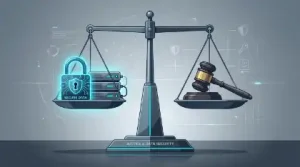 For corporate entities, surviving in this litigious environment requires transitioning from reactive measures to proactive governance. Corporate defense in data privacy litigation often rests on demonstrating a robust, documented commitment to security and regulatory compliance long before a claim arises.
- Perform Comprehensive Data Mapping: Organizations must maintain a clear inventory of all collected data, identifying where it is stored, who has access to it, and what third-party vendors receive it.
- Audit Web Tracking & Analytics Tools: Regularly review tracking technologies, pixel implementations, and third-party scripts running on marketing websites to evaluate exposure under state wiretapping and privacy laws.
- Maintain Transparent Privacy Policies: Ensure that public-facing privacy statements accurately reflect actual data handling practices and clearly disclose the use of cookies, analytics, and data-sharing mechanisms.
- Implement Reasonable Security Measures: Establishing recognized cybersecurity frameworks—such as the NIST Cybersecurity Framework—helps establish a defense against claims alleging negligent security practices following a data breach.
- Vendor Risk Management: Contracts with vendors handling consumer data must include strict data protection addendums (DPAs), liability allocation clauses, and clear breach notification requirements.
What Consumers Need to Know: Understanding Your Rights & Legal Options
For consumers, modern state regulations represent a significant shift in balance, offering individual citizens greater control over their digital footprints and recourse when their data rights are violated.
Key consumer rights provided by emerging state regulations include:
- The Right to Know and Access: Consumers can request details regarding what personal data a business has collected, used, shared, or sold about them.
- The Right to Delete: Individuals have the authority to request the deletion of their personal information collected by businesses, subject to specific legal exceptions.
- The Right to Opt-Out: Consumers can opt out of the sale or sharing of their personal information for targeted behavioral advertising.
- Protection Against Discrimination: Businesses cannot discriminate, alter pricing, or deny service quality to consumers who exercise their statutory privacy rights.
When a privacy violation or data compromise occurs, consumers should take immediate action to protect their identity and evaluate their legal options. Documenting communications, preserving notice letters sent by compromised companies, and monitoring credit reports are essential initial steps. Consulting with an experienced privacy attorney can help clarify whether a viable claim exists under state-specific private rights of action or class-action litigation.
The Future Outlook for Data Privacy Disputes
As artificial intelligence models require vast amounts of data for training and enforcement bodies refine their regulatory strategies, data privacy litigation will continue to evolve rapidly. State attorneys general are increasing their enforcement actions, while the plaintiffs’ bar continues to develop innovative legal theories to hold companies accountable for data collection practices.
Whether you are a business owner seeking to safeguard corporate operations or a consumer aiming to protect personal information, remaining informed about state-level privacy developments is critical. Staying ahead of regulatory changes and understanding the avenues of legal liability ensures better protection, compliance, and advocacy in our increasingly connected world.